Balloon Twisting for Beginners: Fun an Easy Guide
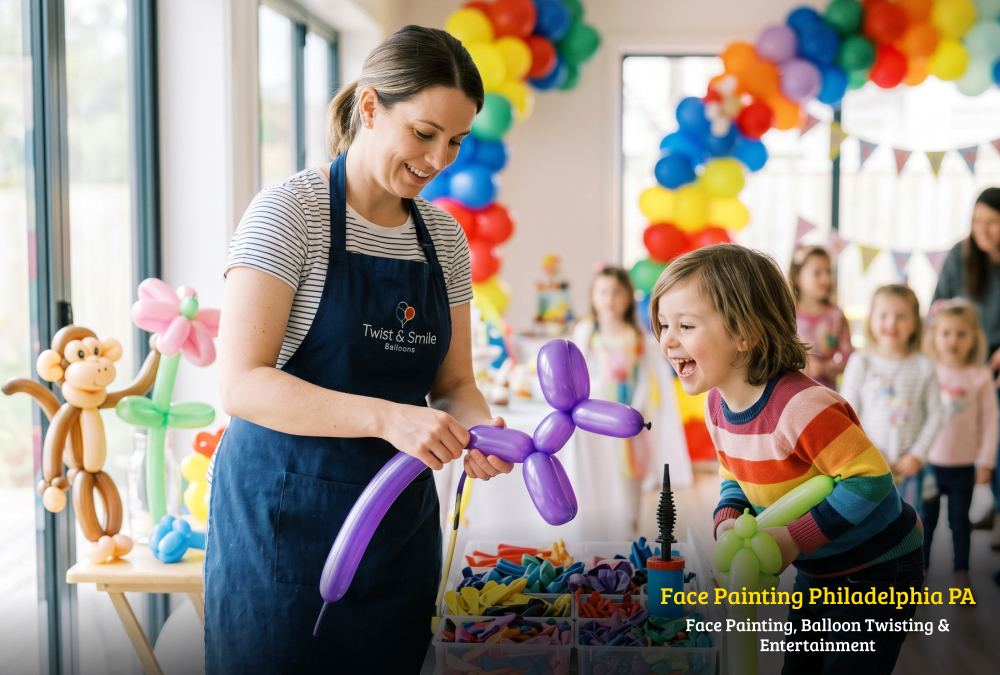
Balloon twisting is an enjoyable and creative activity that’s easy to learn, even for beginners. Whether you’re looking to entertain kids at a party or add a fun twist to an event, balloon animals and sculptures can bring smiles to everyone’s faces. In this guide, we’ll cover the basics of balloon twisting, offer tips for creating your first balloon creations, and show how you can take your new skill to the next level. If you’re looking to hire a professional for your event, Face Painting Philadelphia is a great place to start!
What is Balloon Twisting?
Balloon twisting is the art of shaping balloons into fun and creative figures, such as animals, hats, flowers, and more. Using a simple balloon and some basic techniques, you can turn an ordinary balloon into something extraordinary. It’s a fun activity that requires practice, but with a few basic skills, you’ll be making balloon creations in no time.
Why Balloon Twisting is So Popular
Balloon twisting has gained popularity at parties, fairs, and events for several reasons:
- Interactive Fun: Balloon artists often engage directly with the audience, making the process fun for both the creator and the onlookers.
- Affordable Entertainment: Balloons are a low-cost way to entertain children and adults alike. It’s an easy way to make a party stand out.
- Easy to Learn: While mastering balloon twisting takes time, beginners can create simple balloon shapes quickly.
- Creative Outlet: Balloon twisting offers a chance to be creative and experiment with different designs.
Balloon Twisting Supplies You’ll Need
Before getting started with balloon twisting, make sure you have the right tools. Here’s what you’ll need:
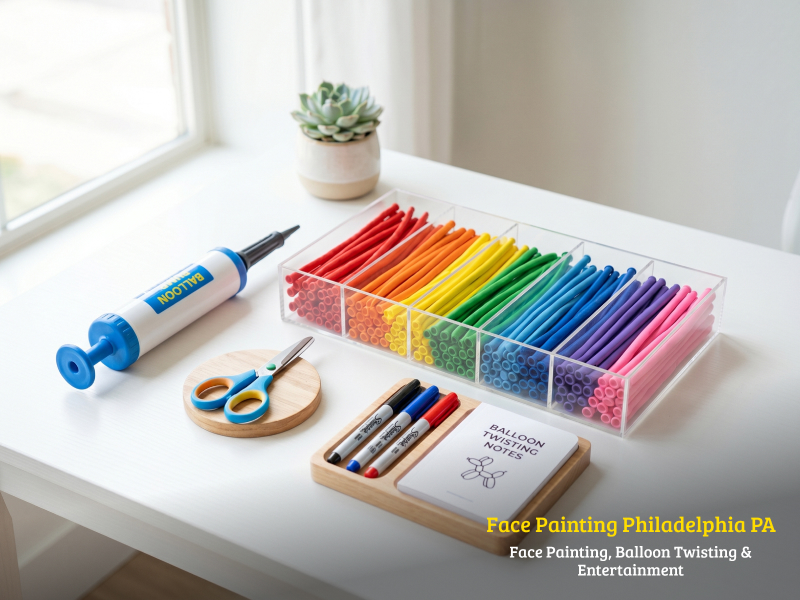
- Balloon Pump: Twisting balloons by hand can be tricky. A hand pump will make the process much easier.
- Balloon Twisting Balloons: These long balloons, often called “260 balloons” (because they’re 2 inches in diameter and 60 inches long when fully inflated), are the most common type used for balloon twisting.
- Scissors: In case you need to cut balloons for specific designs.
- Markers: To draw faces or other details on your creations.
- Twisting Skills: A willingness to practice!
For beginners, it’s best to start with basic balloons and gradually progress to more complex shapes.
Balloon Twisting Techniques Every Beginner Should Learn
1. Basic Twists
The most fundamental technique is the basic twist. It’s used to connect balloon segments together and form shapes.
- How to Do It: Hold the balloon with both hands, twist it a few times to create a section, and hold the twist in place. This basic twist is the foundation for all other designs.
2. The Lock Twist
A lock twist is used to secure two twisted sections together. It’s a simple technique that ensures your balloon creations stay intact.
- How to Do It: After creating two twisted sections, pull one of them through the other and twist them tightly together. This creates a secure bond between the two balloon sections.
3. The Bubble Twist
This technique allows you to make evenly sized “bubbles” in a balloon to create segments for your designs.
- How to Do It: Inflate the balloon and pinch it to create a small bubble. Twist it and secure it by locking it in place with another twist. Repeat this process to create multiple bubbles.
4. The Pinch Twist
A pinch twist is great for adding stability to your balloon creations. It helps form sharp angles and corners in your designs.
- How to Do It: Pinch the balloon between your thumb and forefinger, then twist the balloon several times at that pinch point.
Simple Balloon Twisting Designs for Beginners
Now that you’ve got the basic techniques down, let’s look at some easy balloon twisting projects you can try.
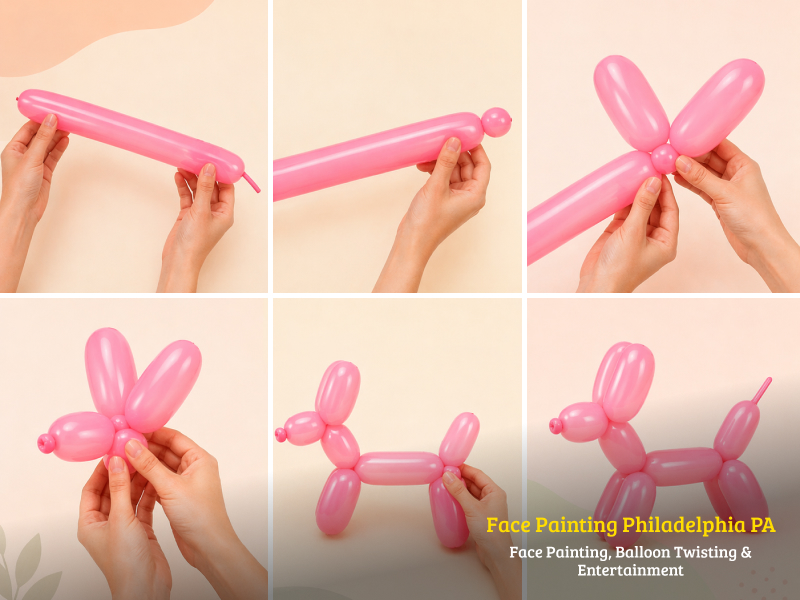
1. Balloon Dog
The balloon dog is a classic design that uses basic twists and bubbles.
- Step-by-Step Instructions:
- Inflate your balloon, leaving about 6 inches uninflated.
- Create a small bubble for the dog’s nose.
- Make two larger bubbles for the ears.
- Twist the bubbles together using a lock twist.
- Create another small bubble for the dog’s body and two more for the legs.
- Twist everything together to form the body and legs.
- Inflate your balloon, leaving about 6 inches uninflated.
2. Balloon Sword
The balloon sword is a fun and simple design that’s perfect for kids.
- Step-by-Step Instructions:
- Inflate the balloon, leaving about 3 inches uninflated.
- Twist the balloon a few times to form the handle.
- Twist the remaining balloon into a long sword shape.
- Optionally, draw a sword design on the balloon using a marker.
- Inflate the balloon, leaving about 3 inches uninflated.
3. Balloon Flower
The balloon flower is a colorful and easy design to make.
- Step-by-Step Instructions:
- Inflate two balloons and twist them into four equal-size bubbles to form petals.
- Twist the petals together using the lock twist technique.
- Create a small bubble for the center of the flower.
- Twist the flower and the center bubble together.
- Inflate two balloons and twist them into four equal-size bubbles to form petals.
These simple designs can be modified and expanded as you get more experienced with balloon twisting.
Tips for Improving Your Balloon Twisting Skills
To become a skilled balloon artist, you’ll need to practice regularly. Here are some helpful tips to improve your twisting skills:
- Practice Makes Perfect: Start with simple designs and work your way up to more complex ones.
- Watch Tutorial Videos: There are plenty of online resources that offer step-by-step instructions for various balloon twists.
- Experiment: Don’t be afraid to try new techniques or combine different designs.
- Use the Right Balloons: Make sure you’re using balloons designed for twisting. Regular party balloons are harder to twist and may pop easily.
- Be Patient: Balloon twisting takes time and patience. Don’t get discouraged if your first few attempts aren’t perfect.
When to Hire a Professional Balloon Artist
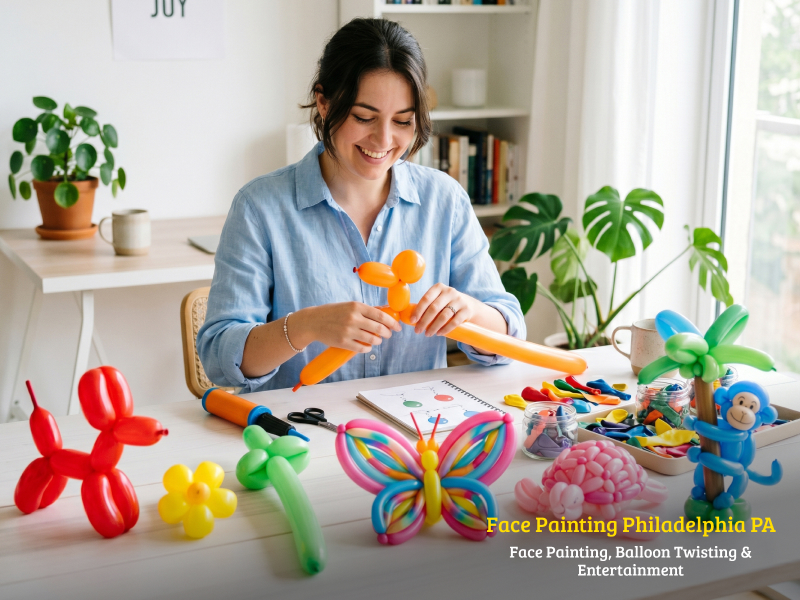
If you’re hosting a large event or want something more elaborate, you may want to consider hiring a professional balloon artist. Face Painting Philadelphia is a great option for anyone looking to add balloon twisting and other fun activities to their party. With years of experience, the team at Face Painting Philadelphia can provide creative balloon sculptures for any occasion.
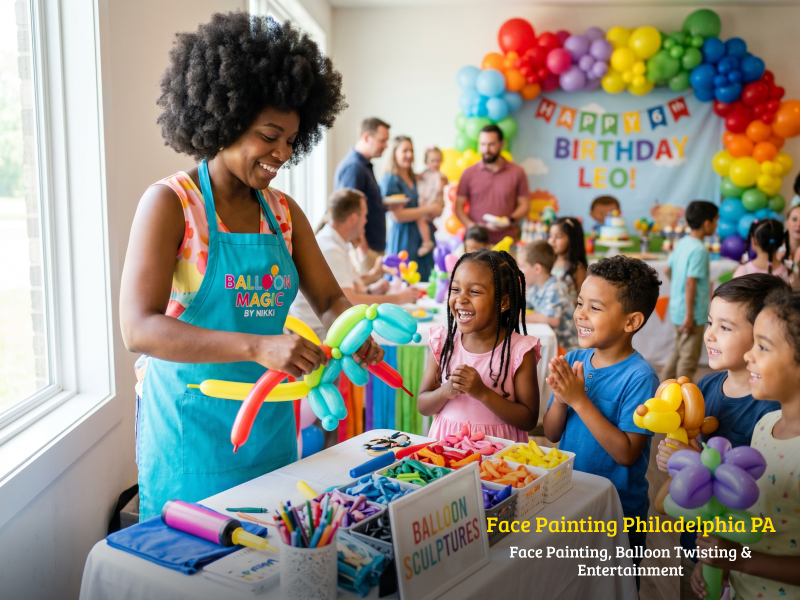
Balloon twisting for beginners is easy to learn with the right techniques and practice. Start by mastering the basic twists, lock twists, and bubble twists. Once you’re comfortable with these, you can make simple creations like balloon dogs and flowers. All you need are a few basic supplies: balloon twisting balloons, a balloon pump, and some patience. Whether you’re looking to entertain kids or add a fun touch to your party, balloon twisting is a fantastic skill to have. For professional balloon artists, Face Painting Philadelphia offers excellent services in the Philadelphia area.
| Step / Topic | What to Do | Tips for Beginners | Tools Needed | Time Required |
|---|---|---|---|---|
| Choosing Balloons | Use long “260” balloons for twisting | High-quality balloons reduce popping | 260Q Balloons | 1–2 mins |
| Inflating the Balloon | Inflate balloon leaving 2–6 inches unfilled at the end | Prevents bursting while twisting | Hand Pump / Electric Pump | 1–3 mins |
| Tying the Knot | Secure the balloon tightly after inflation | Avoid over-tight knots to prevent tearing | Hands | 1 min |
| Basic Twist | Twist balloon 3–4 times in one direction | Always twist in same direction to keep it secure | Balloon | 1–2 mins |
| Lock Twist | Twist two segments together to lock shape | Essential for balloon animals like dogs | Balloon | 2–3 mins |
| Pinch Twist | Create small bubble twists for details | Useful for ears, eyes, and decorative parts | Balloon | 2–4 mins |
| Loop Twist | Fold balloon into a loop and twist | Great for wings, petals, and handles | Balloon | 2–5 mins |
| First Design | Start with simple shapes like dogs or swords | Practice basic shapes before complex designs | Balloon + Pump | 5–10 mins |
| Practice & Improvement | Repeat basic techniques daily | Consistency improves skill and speed | Balloons | Ongoing |
Conclusion
Balloon twisting is a fun, creative, and rewarding hobby that anyone can learn. With just a few basic techniques and a bit of practice, you’ll be able to create impressive balloon sculptures for parties, events, and special occasions. Whether you’re doing it for fun or as a profession, mastering the art of balloon twisting opens up endless possibilities for creativity. If you need a professional balloon artist for your next event, don’t hesitate to contact Face Painting Philadelphia for top-notch entertainment.
Read Also: World’s Best Face Paint Ideas for Any Occasion!
FAQs
Q1) What are the basic materials needed for balloon twisting?
To get started with balloon twisting, you’ll need:
- Balloon Twisting Balloons (260 balloons): These long, flexible balloons are specifically designed for twisting.
- Balloon Pump: A pump makes inflating balloons easier and faster, especially for beginners.
- Scissors: To cut balloons, if needed.
- Markers: To add details like eyes, mouths, or other decorations to your balloon creations.
Q2) Can I use regular balloons for twisting?
While you technically can use regular balloons, they are not ideal for balloon twisting. Twisting balloons, like 260 balloons, are made of stronger, more flexible material that allows them to hold their shape better without popping. Regular party balloons are more fragile and are more likely to burst when twisted.
Q3) How do I stop the balloon from popping while twisting?
Here are some tips to prevent popping:
- Don’t overinflate: Leave about 6 inches of uninflated balloon at the end. This will give the balloon room to stretch without popping.
- Use high-quality balloons: Twisting balloons are designed to be more durable than regular balloons.
- Twist gently: Twist with control rather than force to avoid stressing the balloon.
Q4) Is balloon twisting difficult for beginners?
Balloon twisting can be challenging at first, but it’s a fun skill to learn. Starting with simple designs, such as a balloon dog or sword, and practicing basic twists will help you build your skills. Over time, you’ll get more comfortable with the process, and your creations will become more intricate.
Q5) How long does it take to learn balloon twisting?
It depends on how much time you dedicate to practicing. You can start making simple balloon animals within a few hours, but becoming proficient and learning more complex designs might take a few weeks or months of regular practice. The key is consistency and patience.
Q6) Can I make money from balloon twisting?
Yes! Balloon twisting can be a great side hustle or even a full-time job. Many entertainers work at birthday parties, corporate events, and festivals, offering balloon twisting along with face painting, balloon bouquets, and other services. If you’re looking to make balloon twisting a profession, consider joining platforms like Face Painting Philadelphia, where you can provide entertainment at events.
Q7) What should I do if my balloon pops during twisting?
If your balloon pops, don’t be discouraged. Simply try again with a new balloon, and remember that it’s part of the learning process. If you’re consistently popping balloons, check your twisting technique, or try using slightly less air to prevent strain on the balloon.
Q8) How do I create more advanced balloon designs?
Once you’ve mastered the basics, you can start working on more complex balloon designs. Some advanced techniques include:
- Twisting multiple balloons together for larger sculptures.
- Creating more intricate designs such as balloon animals with detailed features, like tails, wings, or even hats.
- Experimenting with different balloon shapes and sizes to build more unique creations.
There are also many online resources and tutorials available for intermediate and advanced balloon artists.
Q9) How can I improve my balloon twisting speed?
To increase your speed, practice is key. Start slow to ensure your twists are secure and well-formed, then gradually increase your speed as you get more comfortable. Over time, your muscle memory will improve, and you’ll be able to twist balloons more quickly and efficiently.
Q10) Can Face Painting Philadelphia help me with balloon twisting for my event?
Yes! If you’re looking for professional balloon artists, Face Painting Philadelphia offers balloon twisting services for parties, events, and other special occasions. Their experienced team can create fun and impressive balloon sculptures that will entertain your guests and make your event unforgettable.